Food & Soil Health
Nourishing People, Communities, and the Earth
Healthy soil is the foundation of healthy communities. The way we grow, distribute, prepare, and share food affects not only our personal well-being, but also our climate, water, biodiversity, local economy, and cultural heritage.
At Communities for Sustainable Monterey County (CSMC), we believe that strengthening food and soil health is one of the most powerful ways individuals and communities can contribute to a more resilient and regenerative future.
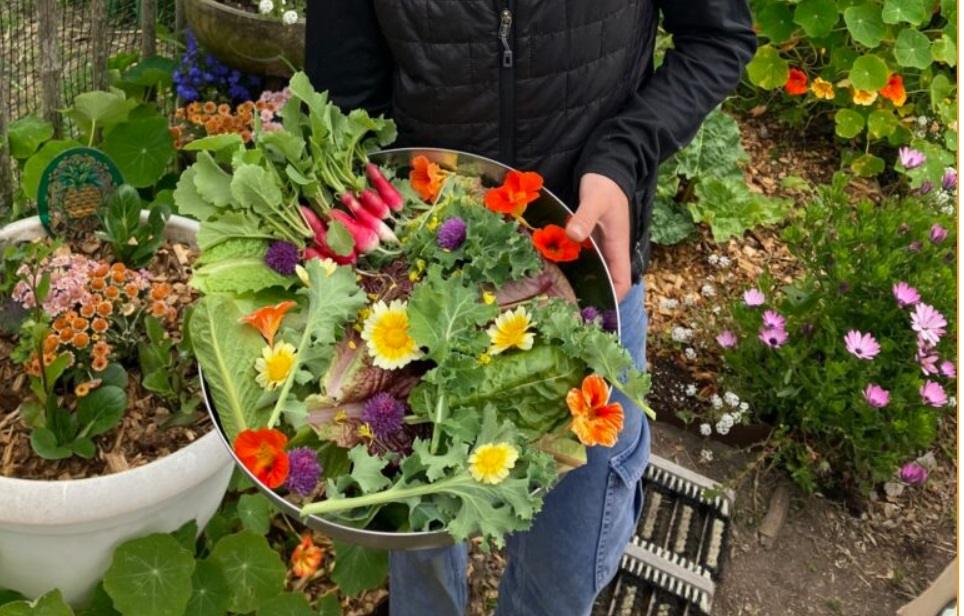
Modern industrial agriculture often relies heavily on synthetic fertilizers, pesticides, intensive tilling, and long-distance food transportation. While productive in the short term, these practices can degrade soil, pollute waterways, reduce biodiversity, and contribute to climate change.
Healthy soil, by contrast, is alive. A thriving soil ecosystem stores carbon, conserves water, supports pollinators and wildlife, produces nutrient-rich food, and strengthens resilience to drought and extreme weather.
By supporting regenerative and community-centered food systems, we can:
● Improve soil fertility naturally
● Reduce pollution and chemical exposure
● Increase biodiversity and pollinator habitat
● Sequester atmospheric carbon
● Support local farmers and food producers
● Build stronger local food security
● Preserve cultural food traditions and knowledge
● Improve public health and nutrition
Regenerative Farming & Gardening Practices
We encourage farming and gardening practices that minimize or eliminate synthetic pesticides, herbicides, and fertilizers while working in harmony with natural systems.
Examples include:
● Organic farming and gardening
● Integrated pest management (IPM)
● Composting and natural soil amendments
● Native plant integration
● Pollinator-friendly habitat creation
● Water-wise irrigation practices
These approaches help protect soil organisms, waterways, wildlife, farmworkers, and community health.
Traditional tilling can disturb soil structure, release stored carbon, and reduce beneficial microbial life.
No-till and reduced-till methods help:
● Preserve soil biology
● Reduce erosion
● Increase water retention
● Build long-term soil fertility
● Store carbon in the soil
Healthy soils rich in organic matter are one of nature’s most effective carbon sinks.
Planting cover crops between growing seasons and rotating crops over time are time-tested practices that improve soil health naturally.
● Preventing erosion
● Suppressing weeds
● Improving soil fertility
● Enhancing microbial diversity
● Reducing pests and plant diseases
● Increasing climate resilience
Cover crops such as clover, vetch, and legumes also help naturally fix nitrogen in the soil.
Eating for a Healthier Planet
A more plant-based diet can significantly reduce environmental impacts while supporting human health.
Plant-forward eating can:
● Lower greenhouse gas emissions
● Reduce land and water use
● Decrease pressure on ecosystems
● Improve cardiovascular and overall health
This does not require perfection or rigid dietary rules. Even small shifts toward more plant-centered meals can make a meaningful difference.
Eating locally grown and seasonal foods strengthens regional resilience and supports local farmers and food producers.
Benefits include:
● Fresher, more nutritious food
● Reduced transportation emissions
● Stronger local economies
● Greater food security during disruptions
● Deeper connection to seasonal cycles and local ecosystems
Whenever possible, we encourage supporting:
● Farmers markets
● Community Supported Agriculture (CSA) programs
● Community gardens
● School gardens
● Local food cooperatives
● Small-scale regional farms
Food is deeply connected to identity, culture, tradition, and community.
We recognize the importance of food sovereignty and the right of people and communities to define their own food systems, preserve traditional agricultural knowledge, and access culturally appropriate, nutritious food grown sustainably and ethically.
Supporting food sovereignty means:
● Respecting Indigenous and traditional ecological knowledge
● Preserving heirloom seeds and heritage crops
● Protecting local farming traditions
● Expanding equitable access to healthy food
● Empowering communities to participate in food decisions that affect them
A sustainable food future must also be a just and inclusive one.
Accordion Content
Composting & Food Waste Reduction
Food waste is a major contributor to methane emissions in landfills. Composting food scraps returns nutrients to the soil and helps close the natural nutrient cycle.
Simple actions include:
● Backyard composting
● Vermicomposting (worm bins)
● Community compost hubs
● Reducing food waste through meal planning and food sharing
Healthy food systems depend on pollinators such as bees, butterflies, birds, and other beneficial insects.
Communities can help by:
- Planting native flowering species
- Avoiding pesticide use
- Creating pollinator habitat corridors
- Supporting biodiversity in parks and gardens
Healthy soils help retain water and reduce runoff, protecting both farms and watersheds.
Sustainable practices include:
● Mulching
● Rainwater harvesting
● Drip irrigation
● Drought-tolerant planting
● Restoring riparian and wetland habitats
You don’t need to own a farm to support food and soil health. Every resident can participate.
Ways to get involved:
● Grow some of your own food
● Compost kitchen scraps
● Support local farmers and food producers
● Choose organically grown foods when possible
● Reduce food waste
● Plant pollinator-friendly gardens
● Volunteer at a community garden
● Share seeds and gardening knowledge
● Advocate for sustainable agriculture and equitable food systems
Resources
Here are a few organizations and educational resources to explore:
● Everyone’s Harvest Certified Farmers Markets
● California Certified Organic Farmers (CCOF)
Together, We Can Regenerate Our Future
Healthy soil is more than dirt beneath our feet, it is a living system that sustains ecosystems, communities, and future generations.
By supporting regenerative agriculture, local food systems, biodiversity, and food justice, we can help create a healthier, more resilient Monterey County for all.