Nature Restoration
Healthy ecosystems are the foundation of a healthy community. Nature Restoration is about repairing and strengthening the living systems that support clean air, healthy soil, abundant wildlife, resilient food systems, and human well-being. From planting native habitat and restoring waterways to rebuilding healthy soils and reducing pollution, every action we take to support nature helps create a more climate-resilient Monterey County.
Monterey County features diverse landscapes, with coastal habitat, oak woodlands, wetlands, pollinator corridors, urban greening, watershed restoration, and ocean.
At Sustainable Monterey County, we encourage individuals, neighborhoods, schools, businesses, and local governments to participate in restoring the ecological health of our region through practical, community-based solutions.
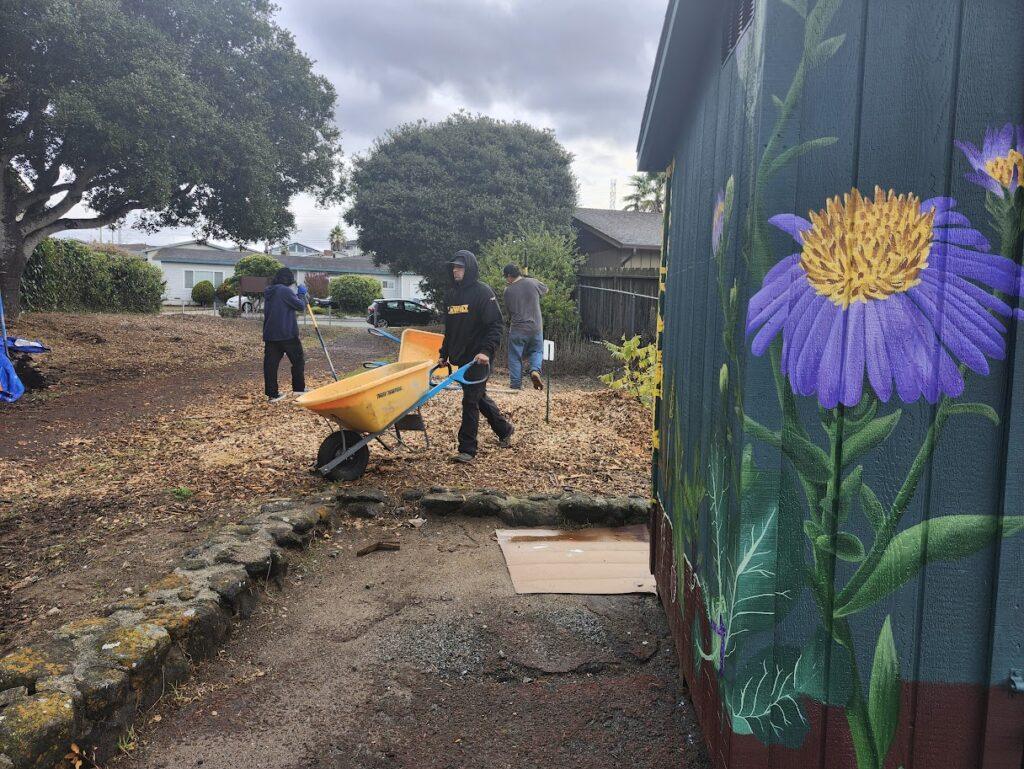
Healthy soil is alive. Billions of microorganisms beneath our feet help cycle nutrients, store carbon, filter water, and support plant growth.
Nature restoration includes:
- Composting organic materials
- Reducing tilling and soil disturbance
- Using mulch to retain moisture
- Planting cover crops
- Supporting fungal and microbial life
- Avoiding synthetic fertilizers and pesticides
- Preventing erosion and runoff
Healthy soil stores carbon and improves drought resilience.
Soil & Composting Resources
Water is one of California’s most precious resources. Restoring natural water cycles helps landscapes survive drought while reducing flooding and runoff pollution.
Strategies include:
- Rainwater harvesting
- Rain gardens and bioswales
- Greywater reuse systems
- Permeable surfaces
- Mulching and soil-building
- Restoring wetlands and riparian habitat
- Planting drought-tolerant native species
Water Stewardship Resources
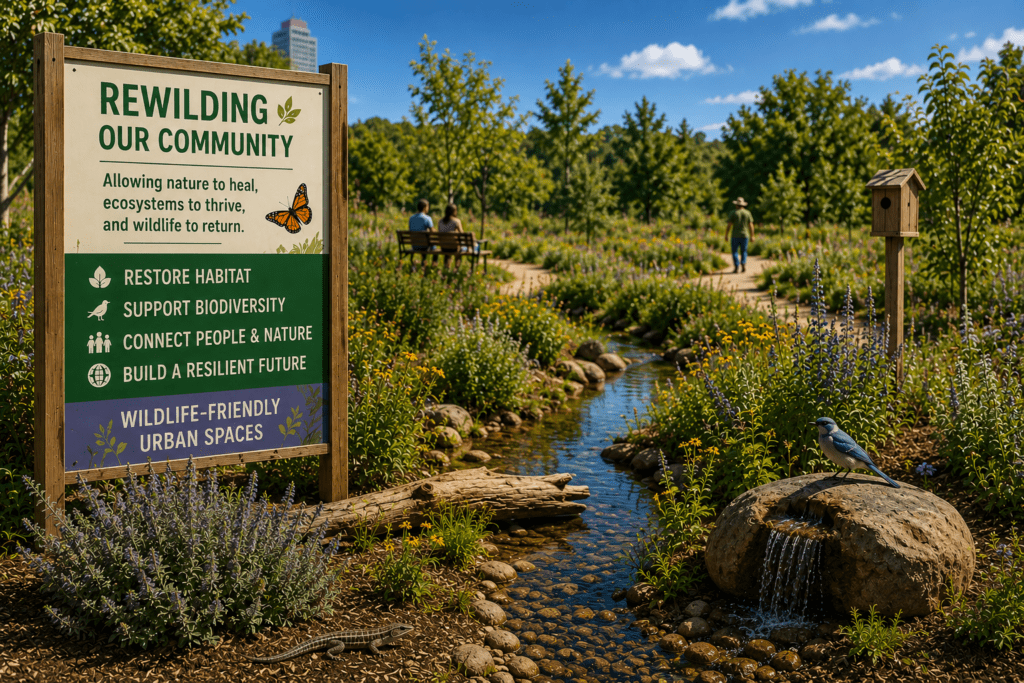
Re-wilding involves allowing ecosystems to recover their natural processes and biodiversity with minimal human interference.
Examples include:
- Restoring native grasslands and oak woodlands
- Daylighting creeks and restoring waterways
- Reconnecting fragmented habitat corridors
- Expanding urban tree canopy
- Removing invasive species
- Protecting coastal dunes and wetlands
- Creating wildlife-friendly urban spaces
Even small backyard habitats can become part of a larger ecological network.
Habitat Restoration Resources
Nature restoration also means reducing the sources of harm that degrade ecosystems.
Communities can help by:
- Reducing plastic waste and litter
- Properly disposing of hazardous waste
- Limiting synthetic chemicals
- Preventing stormwater pollution
- Supporting clean transportation and renewable energy
- Participating in community cleanups
- Reducing light and noise pollution that disrupt wildlife
Cleaner communities support healthier ecosystems.
You may also wish to expand this webpage with sections on:
Urban Forestry
Tree planting, shade equity, cooling neighborhoods, and carbon sequestration.
Pollinator Protection
Supporting bees, butterflies, hummingbirds, moths, and other pollinators.
Climate Resilience
Using ecological restoration to prepare communities for drought, wildfire, flooding, and extreme heat.
Indigenous Ecological Knowledge
Recognizing and learning from Indigenous stewardship practices that sustained ecosystems for generations.
Community Science
Encouraging residents to participate in bird counts, habitat monitoring, water testing, and biodiversity mapping.
Ecological Landscaping
Moving beyond decorative landscaping toward regenerative, habitat-supporting landscapes.
Regenerative Agriculture
Farming methods that rebuild soil, conserve water, and increase biodiversity.
Wildlife Coexistence
Creating landscapes and policies that allow humans and wildlife to safely coexist.
Green Infrastructure
Using natural systems like wetlands, urban forests, bioswales, and living shorelines to manage environmental challenges.
Get Involved Locally
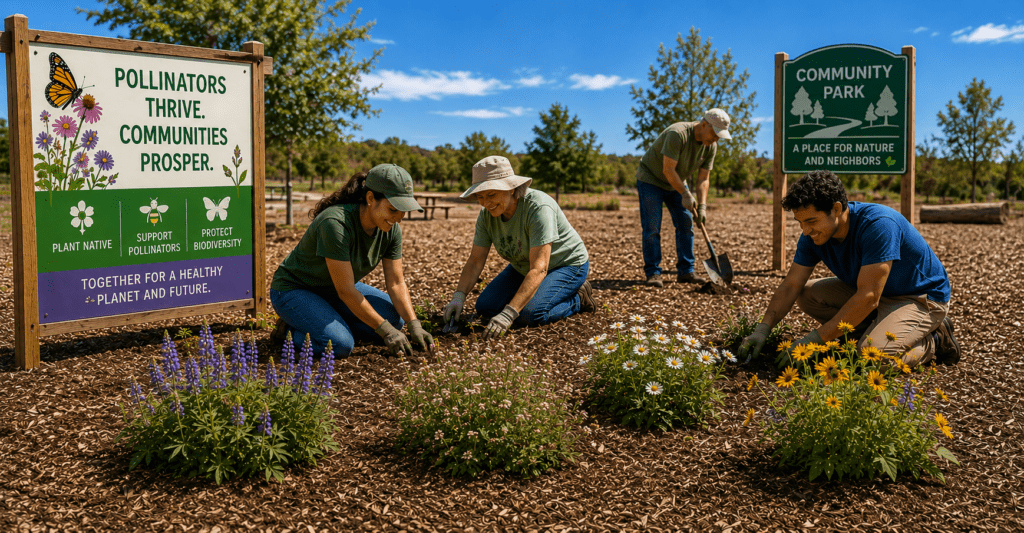
Nature restoration happens one garden, creek, park, schoolyard, and neighborhood at a time.
Ways to participate:
- Volunteer for habitat restoration projects
- Join local park stewardship groups
- Plant native species at home or school
- Start composting
- Attend workshops and community events
- Participate in clean-up days
- Support policies that protect ecosystems and biodiversity
- Share knowledge and inspire others
Together, we can help restore the health, beauty, and resilience of Monterey County’s ecosystems now and for future generations!